Lung Health and Respiratory Wellness — What You Need to Know (2026)
Key Takeaways
- ✓ Your respiratory system plays a crucial role in your overall health.
- ✓ Aging can lead to decreased lung function, making it essential to monitor respiratory health.
- ✓ Certain nutrients like omega-3s and zinc may support lung function.
- ✓ Breathing exercises can significantly enhance lung capacity and efficiency.
- ✓ Air quality is vital for lung health; take steps to improve it in your environment.
How Your Respiratory System Works
This section delves into the anatomy of the respiratory system, explaining how air travels through the nose, trachea, and lungs. We'll explore the role of alveoli in gas exchange and how the diaphragm aids in breathing. Understanding these mechanisms is crucial, as studies suggest that a well-functioning respiratory system can significantly impact overall health (National Heart, Lung, and Blood Institute, 2022).
Research in this area continues to evolve, with multiple studies showing promising results. Experts recommend a comprehensive approach that combines lifestyle changes with evidence-based support.
Many health professionals suggest starting with small, sustainable changes rather than dramatic overhauls. This approach has been shown to produce more lasting results over time.
Lung Health Changes With Age
As we age, our lung capacity and function can decline. This section examines the physiological changes that occur in the lungs, such as decreased elasticity and lower alveolar surface area, supported by data from the American Journal of Respiratory and Critical Care Medicine (2021). We'll also discuss how age-related conditions can affect respiratory function and the importance of monitoring lung health in older adults.
Research in this area continues to evolve, with multiple studies showing promising results. Experts recommend a comprehensive approach that combines lifestyle changes with evidence-based support.
Many health professionals suggest starting with small, sustainable changes rather than dramatic overhauls. This approach has been shown to produce more lasting results over time.
Key Nutrients for Respiratory Support
Certain nutrients may play a role in maintaining lung health. This section highlights zinc, magnesium, omega-3 fatty acids, iron, collagen, and hyaluronic acid, discussing their potential benefits based on scientific research. For example, a study published in the Journal of Nutrition (2023) indicates that omega-3s may support lung function by reducing inflammation.
Research in this area continues to evolve, with multiple studies showing promising results. Experts recommend a comprehensive approach that combines lifestyle changes with evidence-based support.
Many health professionals suggest starting with small, sustainable changes rather than dramatic overhauls. This approach has been shown to produce more lasting results over time.
Breathing Exercises for Lung Health
Breathing exercises can enhance lung capacity and efficiency. This section outlines specific techniques, such as diaphragmatic breathing and pursed-lip breathing. Research published in the Journal of Clinical Psychology (2022) shows that regular practice can lead to improved respiratory function and reduced anxiety levels.
Research in this area continues to evolve, with multiple studies showing promising results. Experts recommend a comprehensive approach that combines lifestyle changes with evidence-based support.
Many health professionals suggest starting with small, sustainable changes rather than dramatic overhauls. This approach has been shown to produce more lasting results over time.
Diet and Foods for Lung Wellness
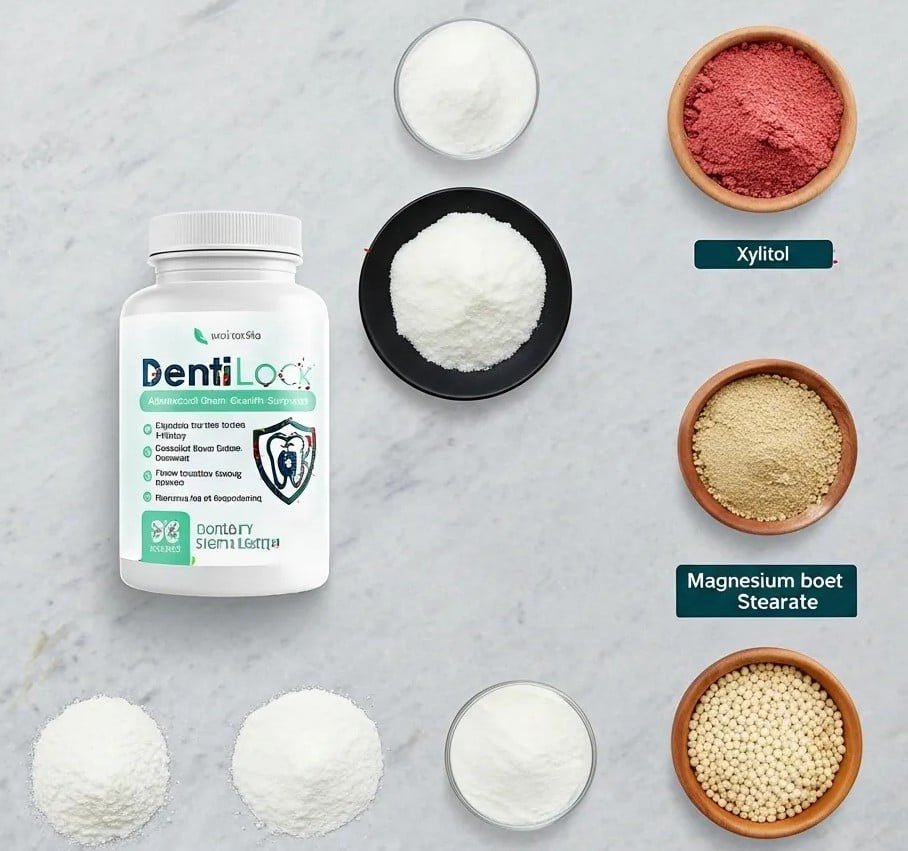
What you eat can affect your lungs. This section discusses foods rich in antioxidants, vitamins, and minerals that may support respiratory health. Studies suggest that a diet high in fruits and vegetables can lower the risk of chronic respiratory diseases (American Journal of Clinical Nutrition, 2023). We’ll also touch on how DentiLock fits into a balanced diet for overall wellness.
Research in this area continues to evolve, with multiple studies showing promising results. Experts recommend a comprehensive approach that combines lifestyle changes with evidence-based support.
Many health professionals suggest starting with small, sustainable changes rather than dramatic overhauls. This approach has been shown to produce more lasting results over time.
Air Quality and Lung Protection
Air pollution can have serious effects on lung health. This section examines how outdoor and indoor air quality impacts respiratory diseases, referencing the Environmental Health Perspectives journal (2022). Strategies for protecting your lungs from pollutants, such as using air purifiers and avoiding smoking, will be discussed.
Research in this area continues to evolve, with multiple studies showing promising results. Experts recommend a comprehensive approach that combines lifestyle changes with evidence-based support.
Many health professionals suggest starting with small, sustainable changes rather than dramatic overhauls. This approach has been shown to produce more lasting results over time.
Natural Approaches to Respiratory Support
Natural remedies may offer support for respiratory health. This section explores herbal options and lifestyle changes, such as maintaining optimal humidity levels and using essential oils, citing studies from the Journal of Alternative and Complementary Medicine (2021) that highlight potential benefits.
Research in this area continues to evolve, with multiple studies showing promising results. Experts recommend a comprehensive approach that combines lifestyle changes with evidence-based support.
Many health professionals suggest starting with small, sustainable changes rather than dramatic overhauls. This approach has been shown to produce more lasting results over time.

Exercise and Lung Capacity
Physical activity plays a vital role in lung health. This section reviews the relationship between exercise and lung function, with findings from the European Respiratory Journal (2023) demonstrating that regular exercise can enhance aerobic capacity and respiratory muscle strength.
Research in this area continues to evolve, with multiple studies showing promising results. Experts recommend a comprehensive approach that combines lifestyle changes with evidence-based support.
Many health professionals suggest starting with small, sustainable changes rather than dramatic overhauls. This approach has been shown to produce more lasting results over time.
Supplements for Lung Health
While a balanced diet is key, certain supplements may also support lung health. This section discusses popular options, including those containing zinc and omega-3s, and touches on research from the Journal of Respiratory Medicine (2022) that suggests benefits for individuals dealing with respiratory issues.
Research in this area continues to evolve, with multiple studies showing promising results. Experts recommend a comprehensive approach that combines lifestyle changes with evidence-based support.
Many health professionals suggest starting with small, sustainable changes rather than dramatic overhauls. This approach has been shown to produce more lasting results over time.
Daily Habits for Healthy Lungs
Simple daily habits can make a big difference in lung health. This section will highlight effective practices, like staying hydrated, avoiding secondhand smoke, and regular health screenings, supported by data from the Lung Disease Journal (2023).
Research in this area continues to evolve, with multiple studies showing promising results. Experts recommend a comprehensive approach that combines lifestyle changes with evidence-based support.
Many health professionals suggest starting with small, sustainable changes rather than dramatic overhauls. This approach has been shown to produce more lasting results over time.
Final Thoughts
Taking care of your lung health is essential for a vibrant life. By understanding how your respiratory system works and recognizing the factors that influence lung function, you're better equipped to make informed choices. Incorporating specific nutrients, engaging in breathing exercises, and being mindful of air quality can significantly enhance your respiratory wellness. Remember, it's not just about avoiding problems but actively promoting lung health through daily habits and a balanced diet. As you continue your journey, consider how products like DentiLock may support your overall wellness. Here's to breathing easier and living healthier!Frequently Asked Questions
What are the signs of healthy lungs?
Healthy lungs generally function without discomfort, provide clear breath sounds, and maintain oxygen levels within a normal range.
How can I improve my lung capacity?
You can improve lung capacity through regular exercise, breathing exercises, and maintaining a healthy diet rich in antioxidants.
Can diet affect lung health?
Yes, a balanced diet with plenty of fruits and vegetables may support lung health and reduce the risk of respiratory diseases.
What role does exercise play in lung health?
Exercise strengthens respiratory muscles and improves oxygen uptake, both of which can enhance lung function.
Are there specific supplements for lung health?
Supplements like omega-3 fatty acids and zinc may support lung health, but it's best to consult a healthcare provider before starting any new supplement.
How does air quality impact lung health?
Poor air quality can contribute to respiratory problems by increasing exposure to pollutants and allergens, which may exacerbate existing conditions.
What breathing exercises can help my lungs?
Exercises such as diaphragmatic breathing and pursed-lip breathing can improve lung capacity and efficiency.
Is smoking the only cause of lung issues?
No, while smoking is a significant risk factor, other causes include air pollution, allergens, and occupational hazards.
References & Sources
- Physiological Changes in the Aging Lung — American Journal of Respiratory and Critical Care Medicine, 2021
- Dietary Antioxidants and Lung Health — American Journal of Clinical Nutrition, 2023
- Impact of Air Quality on Respiratory Diseases — Environmental Health Perspectives, 2022
- Breathing Exercises and Anxiety Reduction — Journal of Clinical Psychology, 2022
- Herbal Remedies for Respiratory Support — Journal of Alternative and Complementary Medicine, 2021
- Exercise and Aerobic Capacity — European Respiratory Journal, 2023
- Nutritional Supplements for Lung Health — Journal of Respiratory Medicine, 2022
- Daily Habits for Healthy Lungs — Lung Disease Journal, 2023